How does open space office design enhance productivity?
Across most industries, the office is no longer just a physical address. It’s a place that signals how a company works: open, agile, and aware of the people inside it. Among the shifts shaping today’s workplaces, open space office design remains one of the most influential.
The concept is simple enough: remove walls, bring people together, let communication flow. Yet in practice, the success of an open plan depends on the details like how light travels, how sound behaves, how teams use their time. Done well, openness encourages focus and community at the same time. Done poorly, it creates noise and fatigue.
The best offices manage the balance. They give people freedom to move and still protect the need for privacy.
What are the main benefits of open spaces?
Open spaces can make work feel faster. When colleagues sit within sight, conversations start naturally, and decisions happen sooner. A quick glance replaces another email; a short talk replaces a long meeting.
That’s one reason many modern office design trends build around openness. The idea is to shorten the distance between people and ideas. Collaboration becomes visible; culture becomes something you can sense in the air.
Still, openness is only effective when it feels intentional. The layout must support comfort and give shape to the working day.
Optimizing sound-absorbing panels
Noise is the hidden cost of collaboration. Too much chatter or echo and focus disappears. Modern offices address this with smart acoustic planning.
In many modern office space design ideas, sound-absorbing panels, soft partitions and ceiling elements turn noise into background texture instead of distraction. They keep energy without the chaos.
After all, a good space shouldn’t demand silence, it should make conversation comfortable.
Incorporating natural elements and lighting
Natural light remains the simplest productivity tool there is. It improves alertness and mood while cutting energy use. Add greenery: planters, wood, small trees, and the space gains warmth that technology can’t replace.
This approach fits perfectly within sustainable office building design. It aligns with environmental goals while improving how people actually feel at work. The light, the plants, even the textures, remind everyone that an office is a living environment, not a machine.
Flexible and adaptive furniture solutions
Work rarely follows one rhythm all day. Teams brainstorm, focus, meet, then regroup. Furniture that adapts helps offices follow those shifts naturally.
Movable desks, folding tables and modular seating allow spaces to change within minutes. One area can host a workshop in the morning and quiet work after lunch. It’s practical, efficient and good for morale.
Flexibility isn’t a design of luxury anymore; it’s the backbone of how people work together.
Open spaces and employees’ productivity: what should we know?
Open layouts make interaction easy, but productivity thrives on choice. The real strength of an open office lies in how it offers variety: places for talking, and places for thinking.
When employees can choose where to focus, they manage their energy better. Freedom itself becomes motivating.
Balancing collaboration and concentration
It’s tempting to think that openness equals teamwork. The best offices create zones: areas for quiet work beside areas built for discussion.
Small meeting booths, acoustic pods or enclosed lounges let people step aside without leaving the team entirely.
This balance defines good office design open space principles. The environment stays dynamic, yet individuals still find calm when they need it. That balance, more than the size of the floor plan, drives performance.
The power of shared space
Shared areas are where culture takes shape. Kitchens, lounges and even wide corridors encourage brief interactions that build connection.
A few minutes of informal talk can save hours of coordination later. These spaces remind everyone that work is social, not just procedural.
The physical setting becomes a silent mentor: open enough for visibility, organised enough for respect. Over time, that structure builds trust, and trust fuels productivity.
Office space design that motivates and inspires
Design speaks. It tells employees how much thought has gone into their comfort and their success.
Clear layouts, uncluttered surfaces, and consistent color tones reduce mental noise. When an office space design feels intentional, people respond with the same precision in their work.
How can the European Trade Center assist you with that?
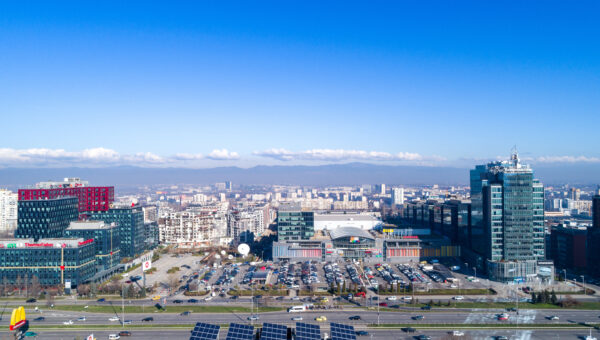
Few workplaces embody these principles as consistently as the European Trade Center in Sofia. ETC offers modern layouts, sustainable systems and flexible planning, all elements that help companies shape the right environment from day one.
Its design makes it easy to build a workspace that reflects how teams actually operate, not how architects imagine they should.
Good layout and efficient zoning
Each floor in ETC follows clear, intuitive logic. Movement flows naturally between focused zones, meeting rooms, and social areas. This clarity saves time and helps employees stay oriented, even on busy days.
Zoning also supports the rhythm of different departments, quiet where analysis happens, open where ideas grow. It’s a practical design that feels effortless.
Optimize it according to your preferences
ETC’s open space office design framework gives tenants control. Companies can configure layouts, lighting, and furniture to match their working style.
That adaptability matters: it keeps the office relevant as teams expand or priorities shift. In essence, it future proofs the workplace.
Strategic location with excellent connectivity
Productivity begins before people reach their desks. ETC’s location ensures quick access from major roads and public transport.
Nearby cafés, services and parking simplify the daily routine. Convenience reduces friction, and that always improves output.
Future trends in open space office design
Looking ahead, open spaces will continue to evolve. The next generation of workplaces will blend digital tools with human needs, creating responsive environments that learn from daily use.
Most modern office design trends already point out that way. Smart lighting, adaptive temperature control, and data-based zoning will become standard. Offices will feel less fixed and more like living ecosystems: flexible, efficient and deeply sustainable.
The goal remains constant: spaces that help people think clearly, connect easily and work with purpose. The European Trade Center already moves in that direction: combining innovation, comfort, and a long-term view of what productivity really means.