How ETC’s connection to The Mall redefines work-life balance for employees
For many employees, the workday does not end when they leave the office. It continues in queues, rushed errands, and postponed personal time. Over weeks and months, this adds up. Not as a dramatic problem, but as quiet exhaustion.
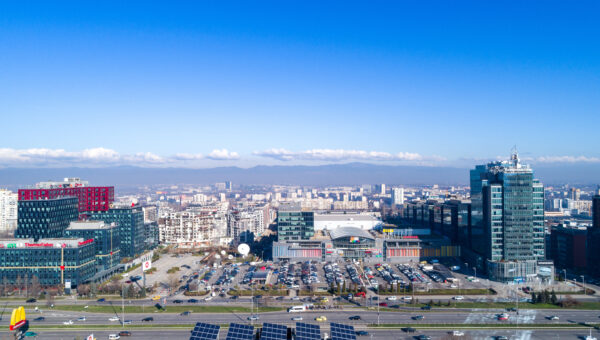
This is why location and access matter more than most companies realize. At the European Trade Center, the direct connection to The Mall changes how the day unfolds. Instead of separating work from everyday life, the environment allows both to exist side by side. In practice, this creates a work-life balance office that reduces pressure without demanding lifestyle changes.
Workplace wellness trends shaping modern offices
One of the strongest workplace wellness trends today is the move away from “extra” initiatives. Employees are no longer looking for more programs, more apps, or more activities added on top of full schedules.
Instead, modern offices focus on proximity and ease. When lunch, movement, personal errands, and short breaks are accessible without additional travel, wellness becomes part of the routine rather than another task to manage.
Another visible shift is the normalization of short, restorative pauses during the day. Offices connected to active environments make it easier for employees to step out briefly, reset, and return with more focus.
Why is why is workplace wellness important for employees?
The question why is workplace wellness important rarely comes up during calm periods. It becomes obvious when stress accumulates quietly. Missed breaks, postponed errands, and constant time pressure eventually affect concentration, mood, and engagement.
Employees who can manage small personal needs during the workday tend to experience less mental overload. This has a direct effect on decision-making, collaboration, and long-term motivation. Wellness, in this sense, is not about comfort — it is about sustainability.
Workplace wellness benefits: How ETC supports employee wellbeing?
The workplace wellness benefits at ETC are rooted in integration. Direct access to The Mall allows employees to eat properly, move their bodies, handle practical tasks, or simply step away from the desk without extending the workday.
This changes how time after work is perceived. When essential tasks are handled earlier, evenings are less fragmented. Over time, this supports healthier routines and reduces the feeling of always being behind schedule.
Social interaction also becomes more natural. Informal conversations happen outside meeting rooms, strengthening team relationships in ways that formal initiatives often fail to achieve.
Steps to building a culture of workplace wellness
A wellness culture does not start with policy documents. It starts with how easy it is to make balanced choices during a normal day.
Digital health tools
Digital health tools are most effective when they support existing habits rather than trying to create new ones. Wellness platforms, activity tracking, and mental health resources work better when employees already have the time and space to use them.
In environments like ETC, digital tools complement the physical setting instead of compensating for its limitations.
Team activities
Team activities feel different when they are not forced into tight schedules. Access to restaurants, fitness options, and shared spaces nearby makes informal gatherings easier to organize and more inclusive.
When team activities emerge naturally from the environment, participation increases and the experience feels genuine rather than obligatory.
A more realistic approach to wellbeing at work
True workplace wellness is rarely created through grand strategies. It develops through environments that respect time, energy, and everyday reality.
By connecting the European Trade Center directly to The Mall, ETC supports a more realistic approach to wellbeing, one that fits into daily routines instead of competing with them. For employees, this often makes the difference between managing work and life separately, or allowing them to coexist with less effort.